
Early Immigrants to England
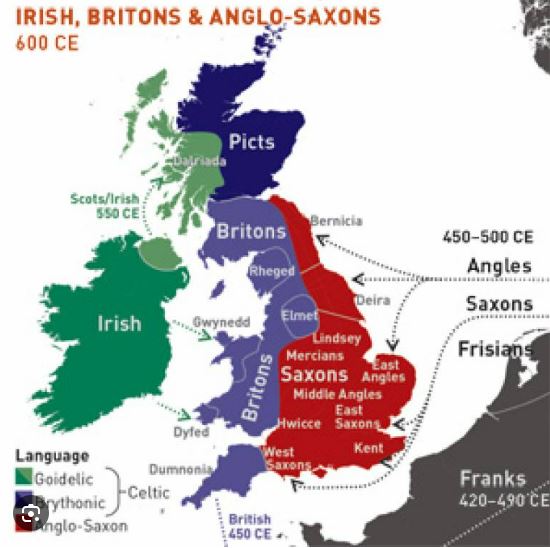
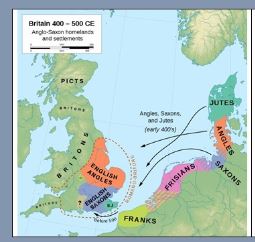

The Jutes were one of the three main peoples (alongside the Angles and Saxons) who migrated from northern continental Europe to Britain in the fifth and sixth centuries AD, after Roman rule collapse according to the Venerable Bede (c. 672-735 AD), who claimed that they settled mainly in Kent, the Isle of Wight, and parts of Hampshire. Their traditional homeland is the Jutland peninsula in modern Denmark, though archaeological evidence also suggests probable connections with Frisia and northern Francia.
The Jutes gradually lost their identity as they merged into the English kingdoms of Kent and Wessex. DNA studies confirm large-scale migration from Denmark, northern Germany, and the Netherlands into early medieval England, but cannot separate “Jutes” genetically from Angles or Saxons as they were closely related peoples sharing similar language, culture, and ancestry. In other words, they were the same peoples or ‘race’ but a sort of sub-set or tribe of the peoples in their region.
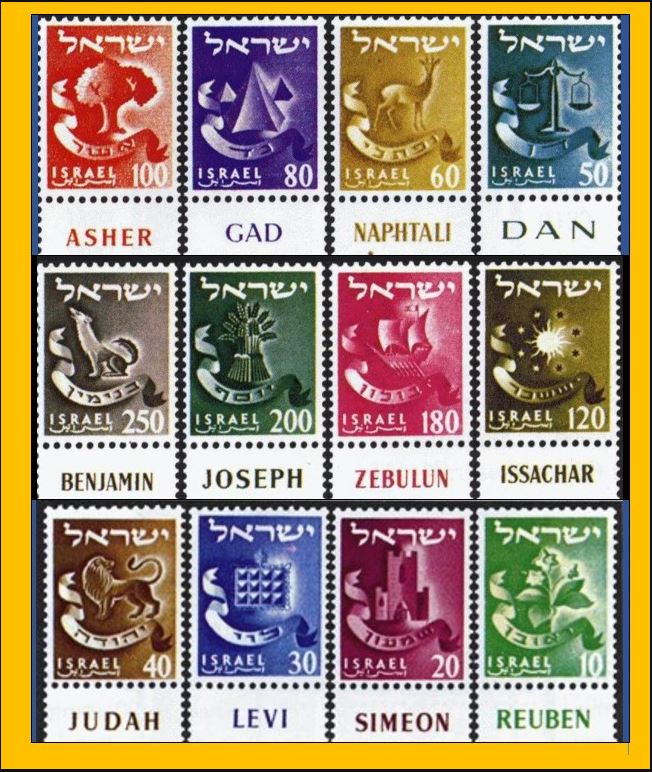
Some British-Israelite writers have long claimed the Jutes were the Biblical tribe of Judah, the tribe of Dan or some other tribe such as Naphtali. These British-Israelite writers incorporate this view within their doctrine that identifies the Scythians with the lost tribes of Israel who migrated westward into northern Europe from the cities of the Medes and surrounding areas. This idea also appears in sources ranging from a fifteenth-century Holstein chronicle (Vetus Chronicon Holsatiae) to nineteenth - and twentieth-century literature.
Modern scholarship rejects a direct ethnic or linguistic link between the Jutes and the Scythians or Cimmerians who British-Israelites regard as Israelites. They claim that shared ancestry is remote, dating back to Bronze Age steppe migrations that contributed to many European and Eurasian populations. They acknowledge that the Jutes belonged to the Germanic linguistic and cultural realm.
The precise continental origins of the Jutes and any connections to ancient Near Eastern or steppe peoples remain matters of debate among scholars, with traditional British-Israel identifications remaining outside mainstream views or even considerations.
Yet, there are enough clues to suggest that the Jutes descend from ancient Israel.